

New to Empathy Engine? Start with these five.
Empathy Engine is for leaders, founders, PMs, and operators who want more than AI hype, leadership slogans, and another framework destined to die in a slide deck.
These five pieces will help you make better decisions about where AI belongs, where human judgment still matters, how to stop becoming the bottleneck in your own systems, how to surface hidden AI use without destroying trust, and how to build governance that can survive real scrutiny.
Think of them as your field briefing.
Read all five, and you’ll leave with a sharper operating model for working with AI, leading people, and making decisions under pressure.
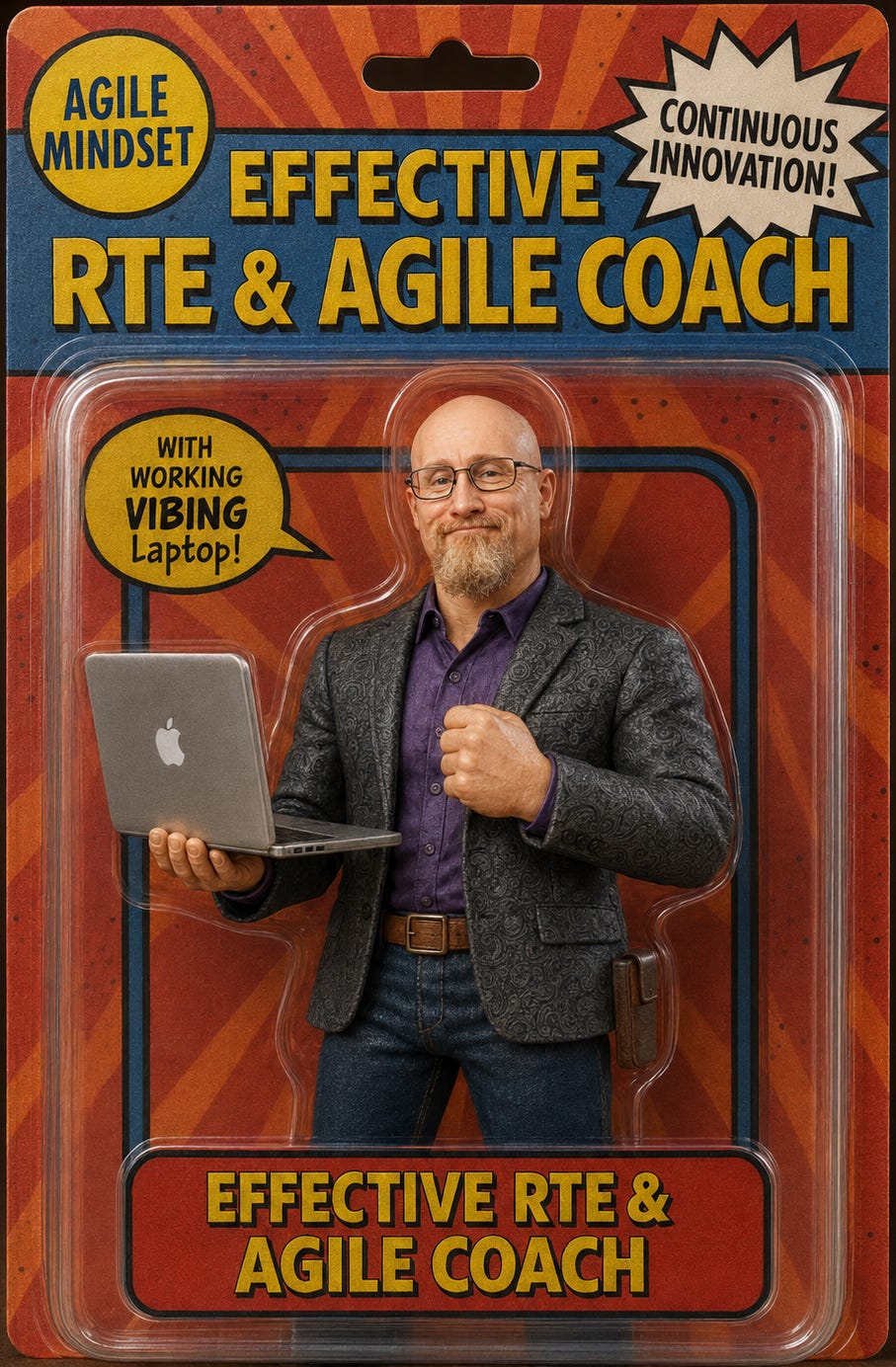
I’m Mark, and I’ve spent my career helping teams adapt to big changes, from the dot-com era to today’s AI disruption.
Agile is a way of working that helps teams deliver useful things faster, learn what customers need, and improve as they go.
I use that experience to help people make better decisions, work together more effectively, and keep moving when the work gets complicated.
1. Solorpreneur or Teampreneur?

Figure out whether AI has actually freed you, or just moved more judgment back onto your desk.
This is the place to start if your AI stack is producing more than ever but you still feel like every important decision ends up routing through you. You’ll learn how to spot the judgment bottleneck, separate tool problems from systems problems, and use the companion 12-minute Hidden Founder Workload Audit to see what you’re really carrying before you add another app, hire, or workflow.
2. Half Your Team Is Using AI. You Don’t Know Which Half.
Half Your Team Is Using AI. You Don't Know Which Half.

Intro If you read the piece we published last week on Leadership in Change, you saw the structural diagnosis: mandate pressure, decision collapse, intake collapse. Three failures that sit underneath almost every AI pilot that goes sideways. That piece mapped the architecture. What it did not cover is what happens on the human side of the same problem, wh…
Find out how to uncover shadow AI without teaching your team to hide it better.
Written with executive AI coach Joel Salinas, this piece shows why both leadership excitement and panic-policy can make underground AI use worse. You’ll leave with two immediate moves: a four-hour leader literacy exercise and a simple Green / Yellow / Red AI risk system you can use to create safer disclosure without turning every prompt into an approval request.
3. From Doer To Director

Stop supervising work that no longer needs you.
This piece is for the founder who has automated, delegated, and systematized the business but still keeps reopening every handoff “just to check.” You’ll learn how to separate authorship from consequence, use the Role Governance Matrix to decide what belongs with AI, a human collaborator, you, or nowhere at all, and start moving one recurring task out of your hands each week.
4. The AI Compliance Problem Hiding in Plain Sight

Turn AI governance from a policy document into evidence an auditor can actually inspect.
This piece is for leaders who have principles, reviews, and approval language but still couldn’t prove how their AI system was defined, tested, monitored, or challenged if someone asked tomorrow. You’ll learn the six-part AI Evidence Spine, run the 24-hour audit-readiness test, and identify the weakest artifact to build first.
5. The Leverage Illusion

Stop buying AI tools that quietly turn into another job.
This piece is for founders whose “lean AI stack” somehow keeps demanding more setup, more checking, more routing, and more weekend maintenance. You’ll use the Hype vs. Reality Filter to test whether a tool solves a real bottleneck, creates enough recurring value to justify its overhead, can run without constant supervision, and belongs in the mechanical layer of the business rather than replacing judgment that still needs a human spine.
What happens next?
If these five pieces sharpened the way you think about AI, judgment, leadership, or governance, please subscribe.
Empathy Engine publishes practical field briefs, scripts, diagnostics, scorecards, and decision tools for leaders, founders, PMs, and operators doing high-stakes work where the cost of a bad decision is real.
The goal isn’t more content.
It’s better judgment, clearer ownership, and stronger decisions before the pressure makes them expensive.
Want the full picture?
The About page explains who I am, what Empathy Engine is here to solve, and how free and paid subscribers can use this publication to make better decisions, build stronger systems, and gain a practical edge.